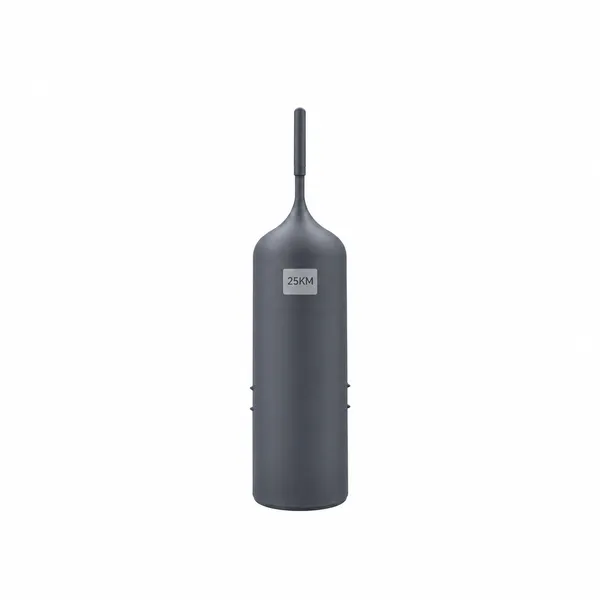
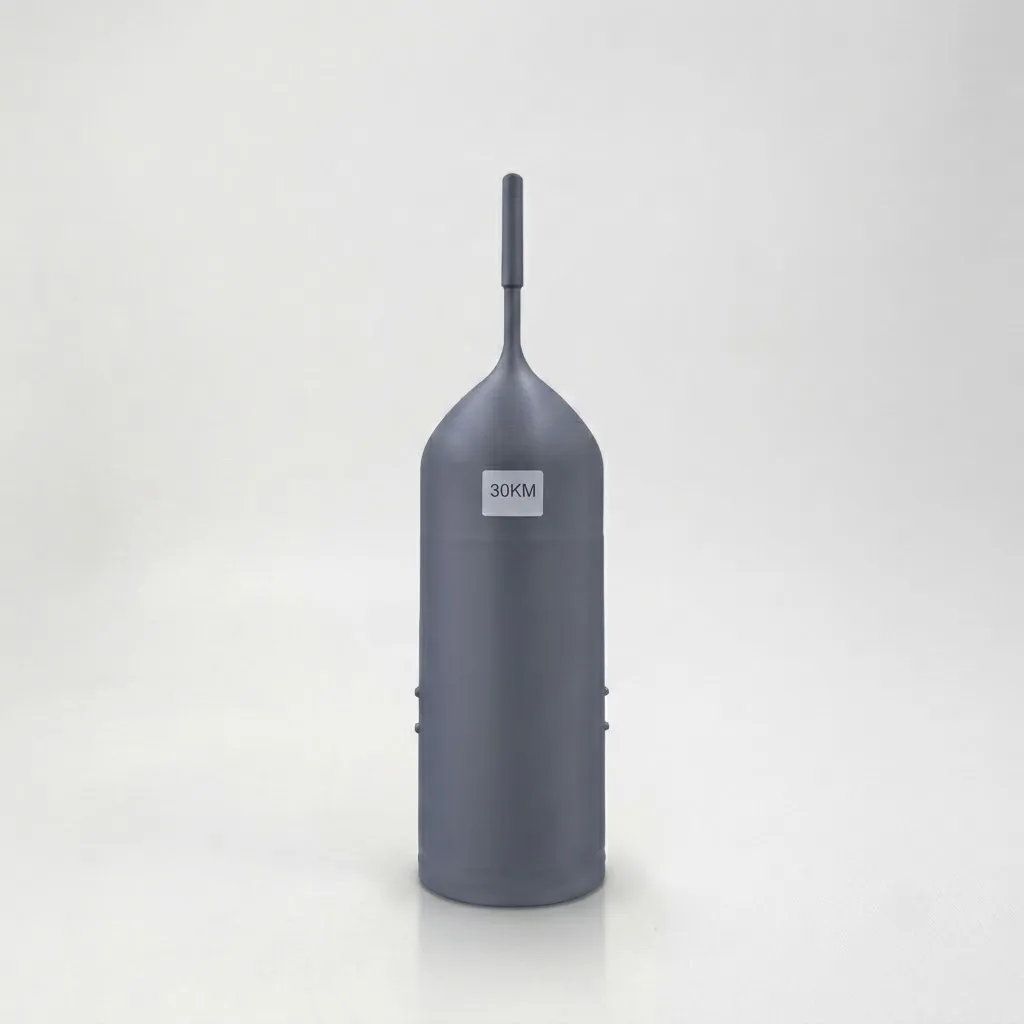
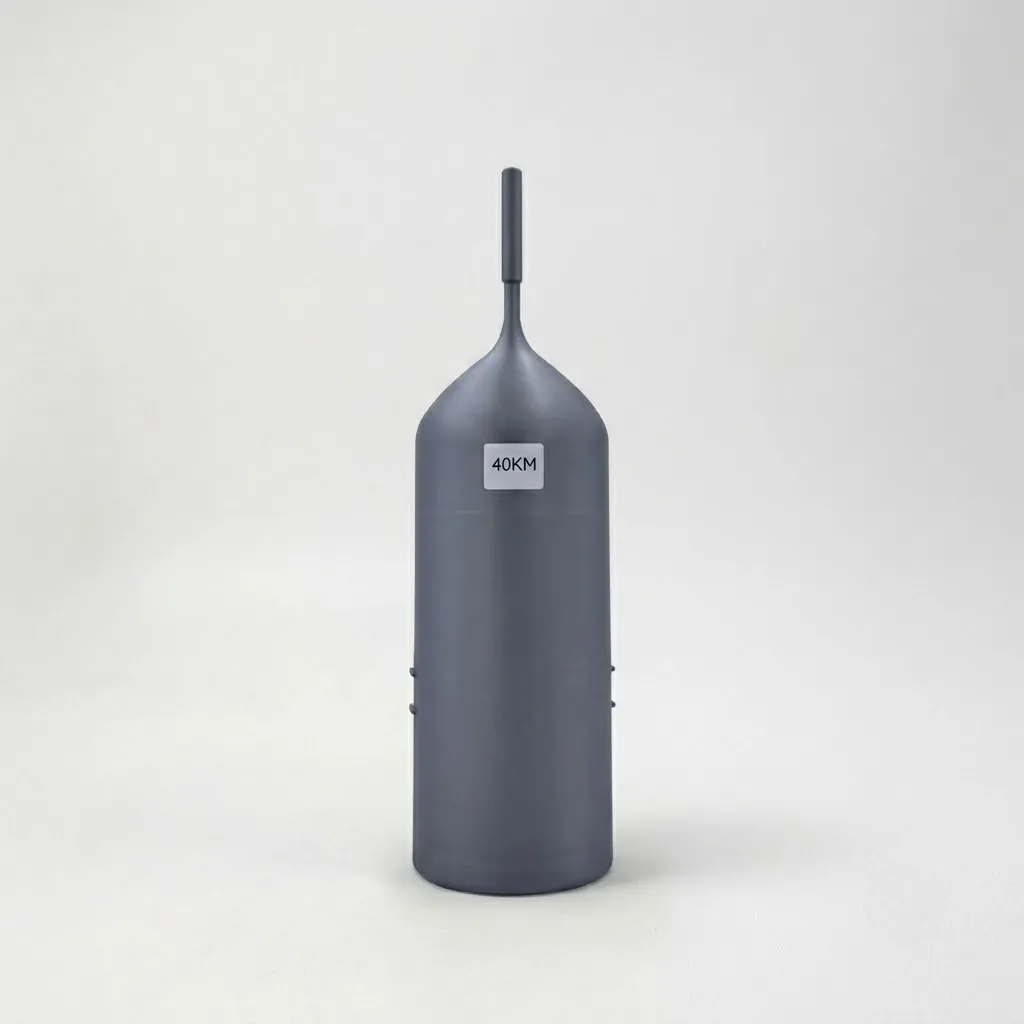
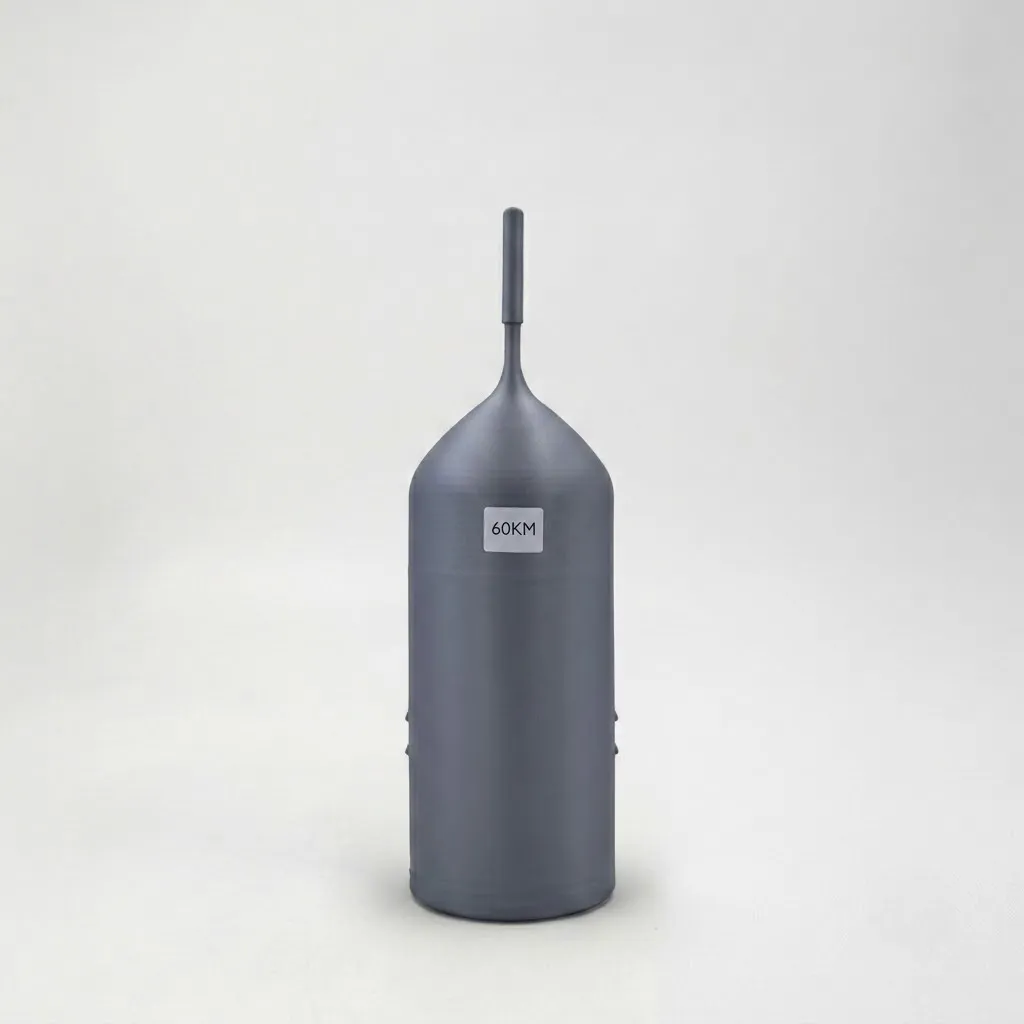
Product Performance
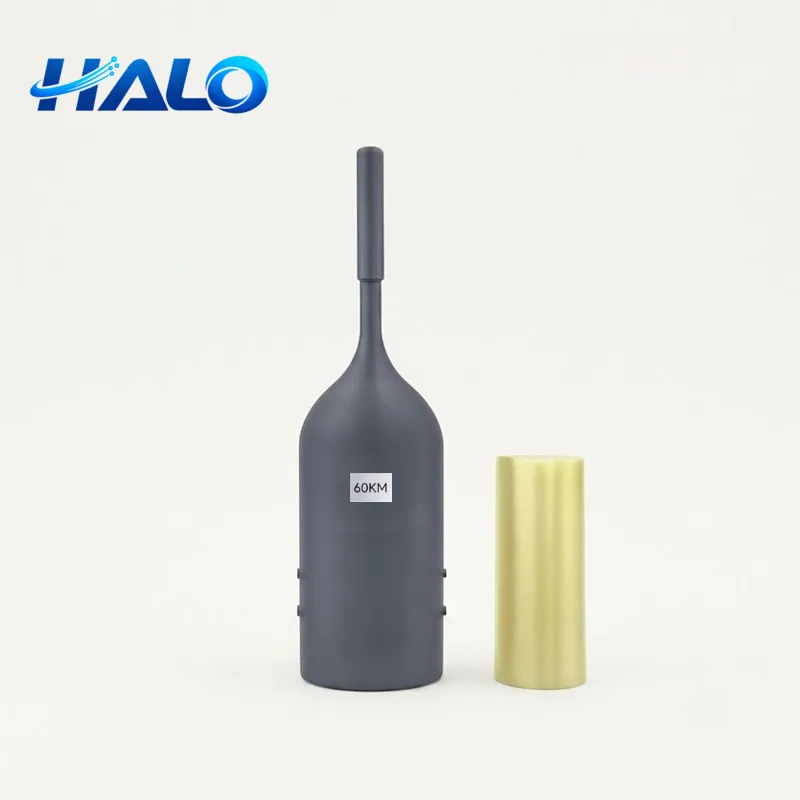
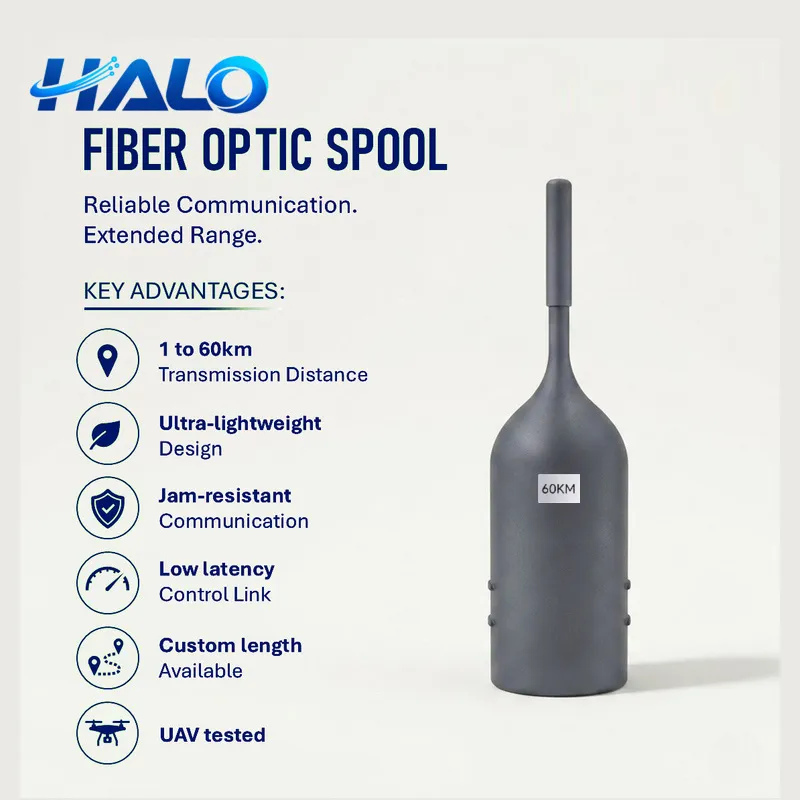
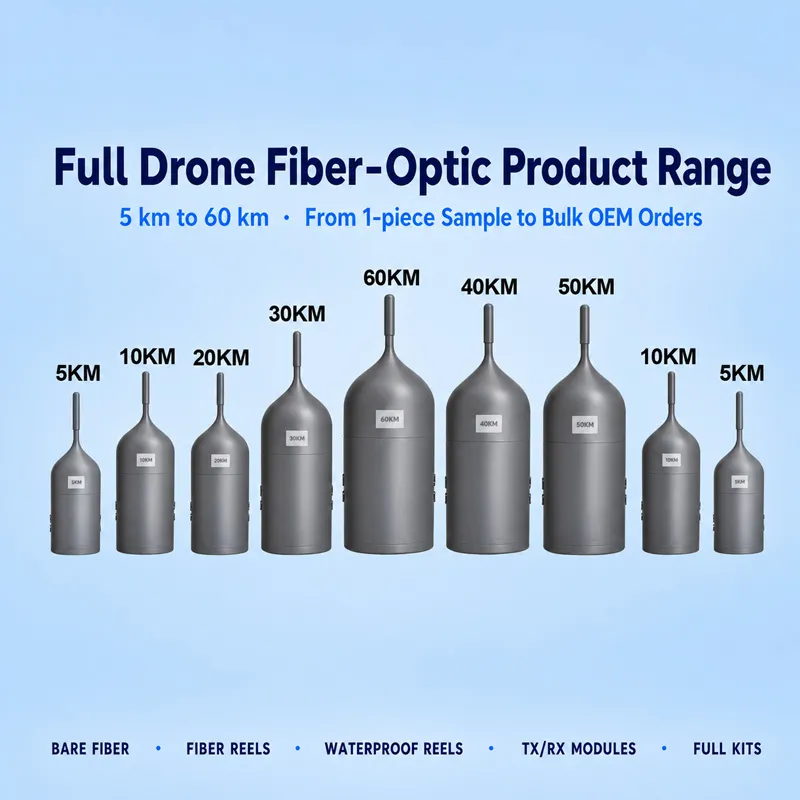
Leveraging Halo's G.657.A2 fiber expertise, this spool is purpose-built for tethered UAV operations. The fiber features a 7.5 mm minimum bend radius for tight spooling and reliable deployment, attenuation as low as ≤0.19 dB/km at 1550 nm for stable long-range transmission, and full dielectric construction for inherent EMI immunity in RF-congested environments. Available in customizable lengths from 1 km to 60 km, backed by Halo's rigorous quality control and flexible supply model.
Product FAQ
1. What is a fiber optic tether system for UAVs?
A fiber optic tether system replaces the RF link between a UAV and its operator with a physical optical fiber connection. The UAV carries a lightweight spool that pays out fiber during flight, transmitting control commands and HD video via light pulses. This creates a closed channel that emits no RF signature and cannot be jammed or intercepted. Halo's G.657.A2 fiber optic spools are engineered specifically for this application.
2. How is fiber optic communication better than RF communication?
Fiber optic links are immune to electromagnetic interference and jamming—RF-controlled drones are vulnerable to signal disruption and GPS spoofing, while fiber signals travel through glass and cannot be disrupted externally. Fiber also delivers low latency, high bandwidth, and zero radio emissions for stealth. In RF-denied environments, fiber tethering is often the only reliable communication path.
3. What cable lengths are available?
Halo supplies G.657.A2 fiber optic spools in customizable lengths from 1 km to 60 km, with standard options including 5, 10, 20, 30, and 50 km. Shorter spools suit tactical FPV and short-range inspection; longer spools support extended-range ISR and defense applications. A 10 km spool adds approximately 950 g to the UAV.
4. Can the spool systems be customised?
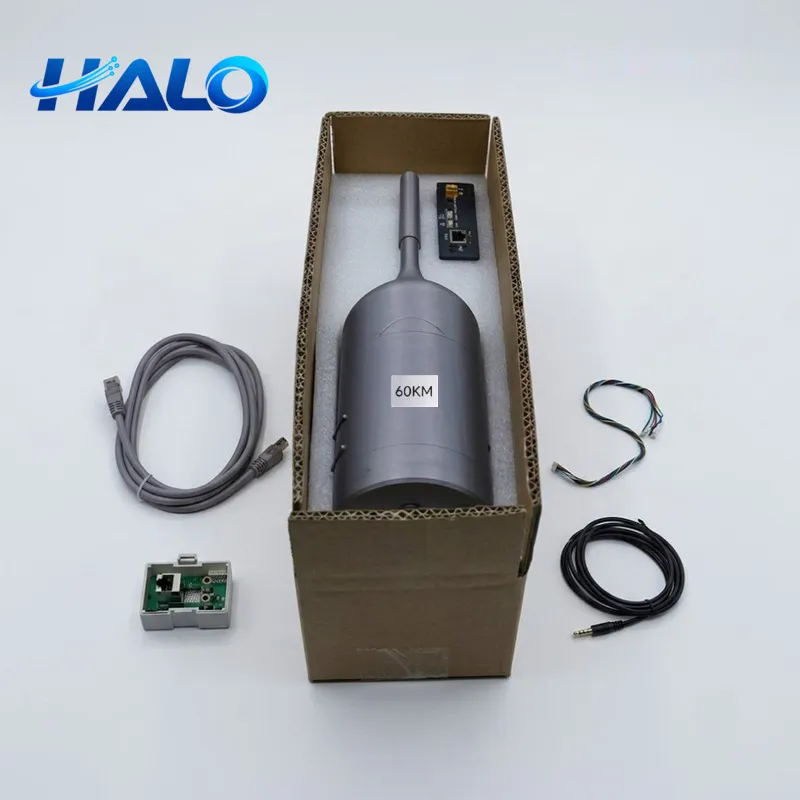
Yes. Fiber length, connector type (SC, LC, FC), spool housing, and mounting interfaces can all be customized. Integrated optical transmitter/receiver modules are also available to simplify field integration. Requests are evaluated against production availability and batch reservation deadlines.
5. Are these spools compatible with existing UAV platforms?
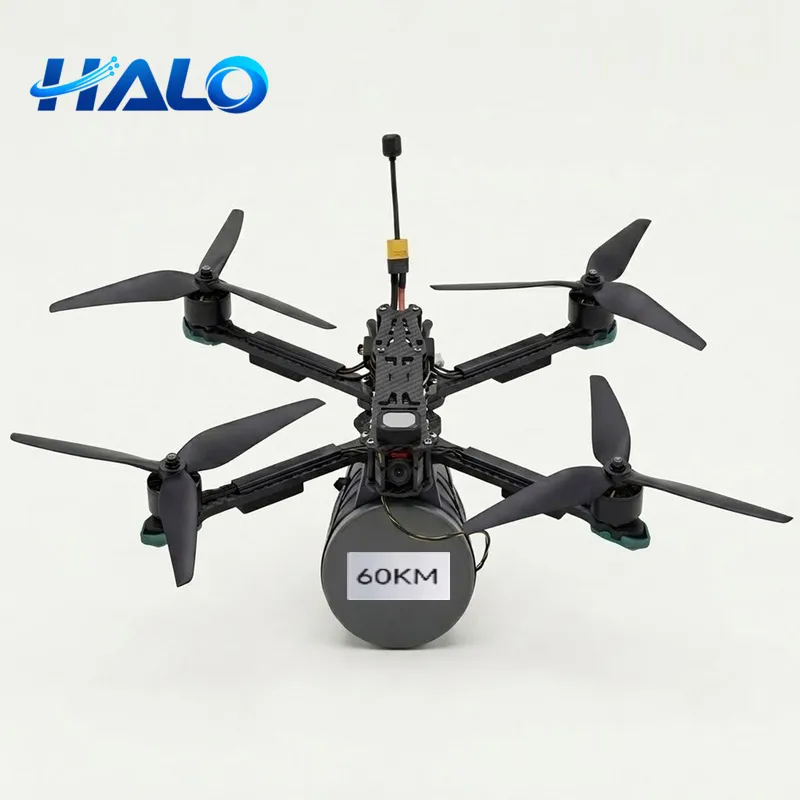
Yes. The G.657.A2 fiber's bend-insensitive design (7.5 mm minimum bend radius) allows tight spooling without signal degradation, and its all-dielectric construction imposes no electromagnetic constraints. Integration requires spool mounting, fiber routing, and optical-to-electrical conversion modules. Halo provides specifications and integration guidance.
6. Does the tether affect flight performance?
The effect is measurable but manageable. A 10 km spool adds approximately 950 g; a 30 km spool approaches 2.1 kg. The fiber itself is extremely light (~80 g/km), so spool housing dominates weight. Aerodynamic drag is negligible at typical speeds. Mission planning should account for spool weight in endurance calculations.
7. Which industries use fiber optic tethered UAVs?
Primary sectors include defense (persistent ISR and reconnaissance in electronic warfare environments), public safety (disaster response and search-and-rescue), industrial inspection (power lines and pipelines in EMI-heavy locations), telecommunications (temporary aerial network deployment), and research (controlled data collection and environmental sensing).
8. Does HOLA provide integration support?
Yes. Halo provides technical documentation, specification sheets, and application guidance. For platform adaptation, Halo advises on spool mounting, fiber routing, connector compatibility, and optical module selection. Support is scoped individually based on platform configuration and mission requirements. Contact Halo's technical team with your specifications to discuss requirements.


 Email for a Quote
 Whatsapp